


PicFusion Lab
4.4103.00 Reviews
App Specs
- Version
- 1.2.4
- Updated On
- License
- Free
- Downloads
- 500,000+
- Developer
- X PhotoKit
- Categories
- Photography
- Platform
- Android
Screenshots
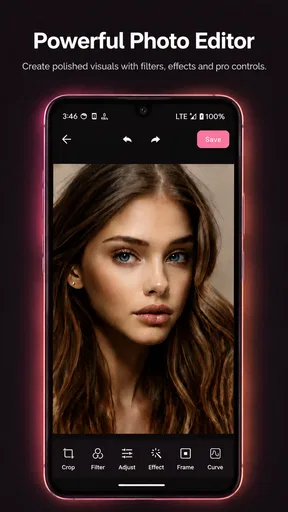
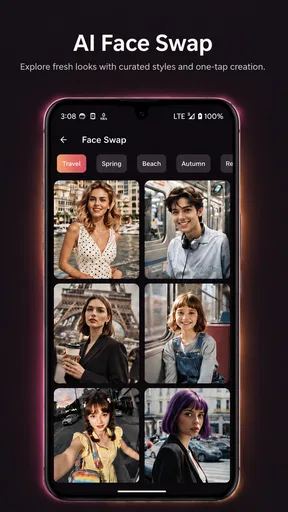
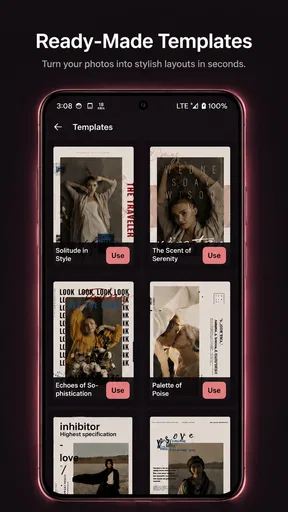
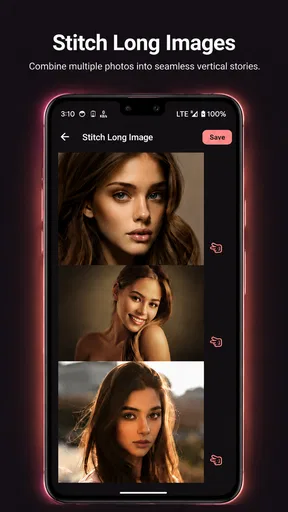
 Analysis by AppCompare
I would approach PicFusion Lab as a focused photo-creation app, not as a full replacement for a camera, editor, or image library. Its promise is to help you make better photos, but the useful question is what kind of improvement you want: a quick creative change, a polished image for sharing, or precise control over every adjustment. That distinction matters because an app can be pleasant for experimenting without being the right tool for careful retouching or a repeatable professional workflow.
It is a free photography app from X PhotoKit, rated for Everyone, with a 3.6 average from 431 ratings and more than 100K installs. The current release is 1.1.9, and the app is listed for Android 7.0 and later. Those details make it easy to try without an upfront purchase, though in-app items cost between $7.99 and $15.99 each. I would treat the free entry point as a chance to test whether its way of working suits you before spending anything.
Where the creative approach matters
I’d use this section to focus on the difference between making a picture more striking and making it more useful for its intended purpose. A creative finish can help an ordinary snapshot feel considered, but the best choice still depends on where you plan to share or keep it.
A photo-making tool, not just a camera shortcut
The most useful way to think about PicFusion Lab is as a place to work on an image after you have taken it. That puts it in a different role from the camera app built into a phone: the camera is for capturing a moment quickly, while a creative photo app is for deciding what that moment should look like before you share it. If you already have a picture you like but feel it needs a more considered finish, this is the kind of app worth exploring.
I would not expect it to replace a dedicated editor simply because it sits in the same broad photography category. People use that label for everything from camera controls to collage makers and detailed retouching suites. The sensible approach is to judge PicFusion Lab by the particular result you want, rather than assuming it has every familiar editing tool. Its appeal is the act of shaping a photo; the more exacting your requirements, the more important it is to test the actual workflow on a picture you can afford to experiment with.
How I would work with it day to day
For a practical first session, I would choose a photo with a clear subject and a reasonably simple background. That makes it easier to see whether a change improves the image or merely adds visual noise. I would keep the original untouched, make one change at a time, and compare the result with the starting picture before deciding whether to continue. This small habit is useful in any creative editor, but especially when the point is to make an image feel better rather than dramatically different.
A realistic example is a photo from a weekend walk that looks fine on the phone but lacks the character you remember from the scene. Instead of applying several effects at once, I would use PicFusion Lab as a place to experiment with a single creative direction, then pause and view the image at normal size. A treatment that looks exciting when zoomed in may distract from the subject once the picture is viewed in a messaging thread or social feed. The full-screen comparison is a better judge than the editing view alone.
Worth Reading Before You Choose

Flipboard Shows What News Apps Must Do Beyond the Feed

Switching to Android Auto Means Rethinking Your Driving Routine

Google Calendar Makes a Crowded Week Easier to Manage

Ludo King Makes the Most of the Minutes Between Plans

Baby Panda World Brings Quick Play to Modern Phones, but Its Game Library Feels Busy

ESPN’s Live Game View Makes Following Close Games Easier
Another useful workflow is to decide where the finished image will be used before editing. A picture meant for a profile or a small post can tolerate a bolder treatment than one you plan to print or keep as a realistic record. I would save or export a restrained version first, then make a more expressive variation only if the app’s available controls support that choice. Keeping the goal in mind prevents a common editing trap: spending time polishing an image for a look that does not fit its eventual use.
When a focused creative app earns its place
PicFusion Lab makes the most sense when you want to spend a few minutes giving a photo a distinct finish, rather than correcting a long list of technical problems. For example, if you have a casual portrait you want to make more memorable before sending it to friends, a dedicated creative step may be more satisfying than relying on the phone’s default camera output. The same applies to a travel snapshot or a picture of a meal: the goal is not necessarily perfection, but a result that feels more deliberate than the untouched original.
It can also fit a small personal project. If you are collecting images for a scrapbook, a trip recap, or a set of pictures with a consistent mood, working on each photo with the same intention can make the group feel more coherent. I would still compare the images side by side as I go. A treatment that looks attractive on one frame can behave differently on another because the lighting, colors, and subject change. Consistency comes from checking the results together, not blindly repeating an edit.
That kind of use is different from processing dozens of images quickly. If you routinely need to edit a large batch, maintain exact color across many files, or hand off work in a predictable format, a more specialized desktop or mobile editor may be a better fit. PicFusion Lab is easier to recommend as a tool for individual creative decisions than as the center of a production pipeline.
Small decisions that can improve the result
One practical tip is to start with a photo that already has a strong subject. Creative editing can add mood, but it cannot reliably rescue an image where the important person or object is hard to see. Pick a frame with clear focus and an uncluttered composition first; then judge whether the app’s treatment strengthens what is already there. This saves time and makes it easier to tell whether you like the app’s contribution.
I would also be careful with images that contain skin tones, bright skies, or several competing colors. These are the places where an aggressive visual treatment can make a photo feel artificial quickly. Rather than judging only by whether a result looks striking, ask whether it still looks like the moment you meant to preserve. If the answer is no, stepping back to a milder version is usually more effective than adding further changes to compensate.
Finally, I would test the finished image outside the editor before settling on it. Look at it in the phone’s regular photo viewer, where it is no longer surrounded by editing controls. That gives a fairer sense of how it will look when shared. It is a simple check, but it helps avoid choosing a version that feels impressive inside the app and overworked everywhere else.
Tradeoffs and sensible alternatives
The main tradeoff is that a creative photo app may prioritize an expressive result over fine-grained control. If you want to remove a tiny distraction, correct a difficult exposure, preserve a natural-looking portrait, or make precise adjustments across many pictures, a conventional photo editor is often the safer choice. If your priority is simply capturing a quick image, the built-in camera is faster and avoids an extra editing step. PicFusion Lab is most useful in the middle: you have a photo worth keeping and want to explore how it could look with a different finish.
There is also a learning curve in deciding how much is enough. Even when an app is easy to open and experiment with, creative choices can take longer than expected because several versions may seem appealing in different ways. I would set a simple limit for a casual edit: choose the strongest version, compare it with the original, and stop once the subject remains clear and the overall mood fits your purpose. That approach keeps a quick personal edit from turning into an endless search for a perfect result.
The free price makes trying the app less of a commitment, but the in-app purchases deserve a moment of thought. I would first establish whether the basic experience gives you the kind of result you want, then decide whether a paid item is worth it for your own habits. Someone editing a photo now and then may not get the same value as a person who regularly makes creative images. Because individual needs differ, I would avoid buying anything based only on the hope that payment will turn a tool you do not enjoy using into the right one.
Its rating also suggests a mixed reception rather than universal approval. I would not treat an average score as a verdict, since photo editing is highly personal: one person wants a noticeable transformation, while another wants restrained corrections. Instead, use your own first test to answer the important question. Does the app help you make a version you would actually share or keep, without creating more friction than the result is worth?
Who will get the most from it
I would recommend giving PicFusion Lab a try if you enjoy experimenting with individual photos and want a creative step between taking a picture and posting it. It is especially suited to casual users who are happy to compare alternatives, learn by trying, and choose an edit based on how the whole image feels. The Everyone age rating and free starting point also make it approachable for general use, while the Android 7.0 minimum means people on older supported devices may be able to consider it too.
I would steer a different kind of user elsewhere. If you need a dependable professional workflow, detailed correction tools, predictable batch processing, or a quick camera with no post-capture decisions, a more purpose-built option will likely be more efficient. Likewise, if you prefer photos to remain close to what the camera captured, you may find a creative treatment unnecessary. There is no benefit in adding an editing stage just because an app offers one.
My recommendation is to begin with one ordinary photo that matters enough to edit but not enough to make experimentation stressful. Try a restrained approach, inspect the image outside the editor, and decide whether the result feels more like your own photo or like an effect placed over it. That single test will tell you more than browsing features in the abstract. PicFusion Lab is worth considering for people who enjoy shaping pictures into something more personal; for precision correction or high-volume work, I would choose a tool designed around those needs instead.
A low-pressure way to decide if it fits
For a fair trial, I would pick a picture whose purpose is already clear: perhaps a family snapshot for a private group chat, a travel image for a small album, or a portrait you want to share with one person. Keep a copy of the original before you begin, then compare the finished version on the same screen and at the size you expect people to see it. This makes the decision practical rather than abstract: you are judging whether the app helps with a real photo, not whether its general idea sounds appealing.
I would also try an image with a different mood before deciding that one result represents the whole experience. A treatment that suits a bright outdoor scene may not flatter an indoor portrait, and a result that works as a small social post may feel too strong when viewed full size. That contrast can reveal whether you enjoy making choices in this kind of creative tool or whether you mostly wanted a one-tap fix. If you only need a quick correction, the phone’s standard editor may be the more comfortable stop.
One practical question is whether it is worth paying for an item. I would only consider that after confirming that the free experience already fits the way I want to work and that the purchase addresses a limitation I actually encounter. An occasional editor has little reason to buy ahead of need. If a paid option seems tempting, I would pause and ask whether it will make a particular image or recurring task better, rather than treating a purchase as a shortcut to stronger results.
How it sits beside familiar photo tools
Compared with a built-in phone editor, a dedicated creative app is worth opening when you want a more intentional visual direction than simple adjustments provide. The built-in option remains the practical choice for quick crops or straightforward corrections because it keeps the job close to the camera and avoids switching tools. A specialist editor is the better alternative when precise retouching, repeatable color work, or batch handling matters. PicFusion Lab occupies a narrower middle ground: a person has a photo they like and wants to explore a distinct finish without turning the task into a full editing project.
That distinction also helps set expectations about the result. I would not choose it as my only tool for every image, nor would I assume that a creative finish is automatically an improvement. Sometimes the unedited photo is the strongest version, especially when the light or expression already carries the moment. The useful outcome is not merely a more processed picture; it is having a convenient place to test an idea and the judgment to keep the original when the edit does not add anything.
My final recommendation
PicFusion Lab is best approached as an optional creative step for individual pictures, not as a replacement for the camera or a precision-focused editor. I would try it if you enjoy testing different visual directions and can judge the result against the original. I would skip it if you want fast, technical corrections or a dependable workflow for many files. For a casual user, one carefully chosen photo is enough to find out whether its style of photo-making earns a place in the routine.
Pros
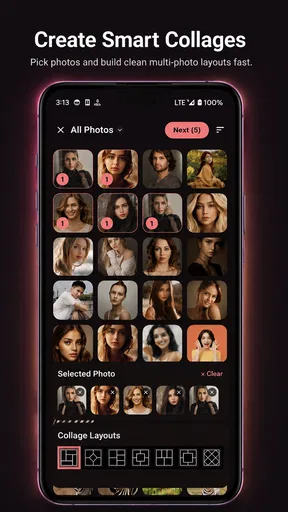
- Combines multiple photos into a single
- shareable composition.
- Useful for creating collages for social posts and personal projects.
- Offers a creative way to reuse photos from your camera roll.
- Lets you experiment with different image arrangements.
- Can help make photo collections easier to present at a glance.
Cons
- Results depend on the quality and lighting of the source photos.
- Busy layouts can make individual images harder to see.
- Some editing options may take time to learn.
- Large projects may require more storage space on your device.
- Check export quality and available formats before relying on it for print.
FAQs for PicFusion Lab
What is PicFusion Lab, and what can I use it for?
PicFusion Lab is presented as a photo-editing app for creating and refining images on a mobile device. Depending on the tools available in your version, it may help you combine photos, apply visual effects, or adjust an image before sharing it. Check the app listing and screenshots to confirm its current features, since editing options can differ by version and device.
Is PicFusion Lab free to download and use?
The app’s price and payment model can vary by platform, region, and release. Before installing, review its Google Play or App Store listing for the download price, in-app purchases, subscriptions, and any free-trial terms. If a subscription is offered, check its renewal price and cancellation instructions carefully; deleting the app alone generally does not cancel a subscription managed through your app-store account.
Does PicFusion Lab require an internet connection?
Some photo editors allow basic editing offline, while features such as downloading effects, cloud backups, account sign-in, or sharing may need an internet connection. The exact behavior depends on PicFusion Lab’s current version, so test the functions you need and consult the listing or in-app help. If you plan to edit while traveling, confirm that your selected tools and images are available offline.
What permissions might PicFusion Lab request, and how should I protect my photos?
A photo-editing app may request access to selected images, the camera, or storage so you can import pictures and save finished edits. Permission names and options differ between Android and iOS, and you can often grant limited photo access rather than access to your entire library. Review the app’s privacy information, grant only permissions needed for the features you use, and avoid importing sensitive images unless you understand how they are handled.
Which devices support PicFusion Lab, and what should I check before downloading?
Compatibility depends on the app’s current system requirements, which may change with updates. Check the store page for the minimum Android or iOS version, supported devices, download size, and any account or network requirements. Make sure your device has enough free space for the app and edited images. If a feature is essential to you, verify that it is included in your version before installing.


